From Table Layouts to AI: My 15-Year Design Evolution
A personal journey through every era of web design — from coding table-based layouts in Web 1.0, surviving the responsive revolution, riding the social media wave, to now designing with AI. What each era taught me, and why the best designers aren't the ones who master tools, but the ones who keep adapting.
It all started with tables
Not database tables. HTML tables.
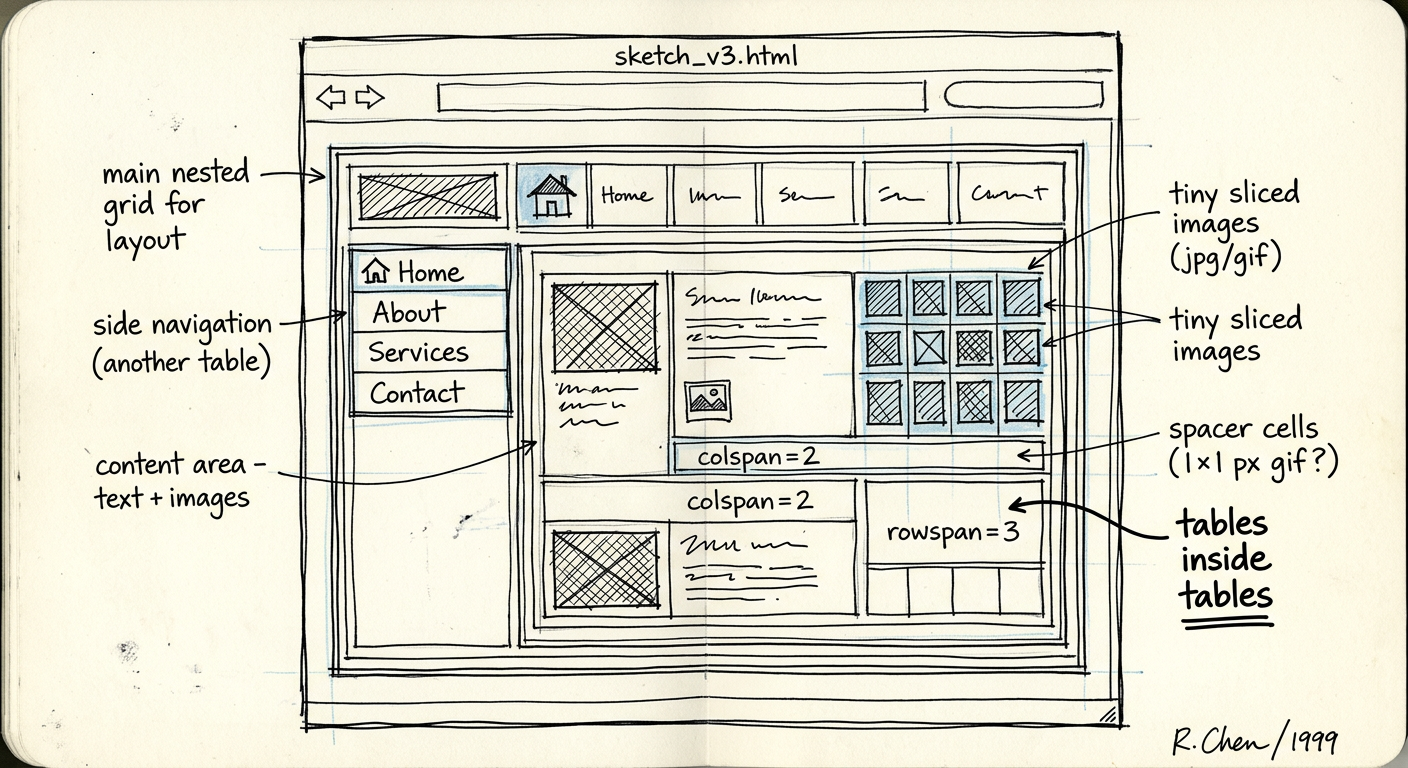
If you started building websites before 2010, you know exactly what I'm talking about. <table>, <tr>, <td> — that was our layout system. We'd nest tables inside tables, slice up Photoshop designs into tiny image pieces, and reassemble them like digital jigsaw puzzles. It was messy, fragile, and kind of beautiful in its own way.
I was in my early twenties, fresh out of school, and completely hooked. Back then, "web design" meant you did everything — Photoshop mockup, HTML slicing, even writing the copy. There was no UX. There was no UI. There was just "making the website."
The tools were primitive. Dreamweaver was king. We'd preview in Internet Explorer 6 and pray nothing broke. Font choices were limited to Arial, Verdana, and Times New Roman. Custom fonts? You'd render them as images.
But here's what that era taught me: constraints breed creativity. When you only have tables and basic CSS, every pixel matters. You learn to think about hierarchy, spacing, and visual weight — not because a design system told you to, but because you had no other choice.
Web 2.0: The CSS revolution and the birth of "real" design
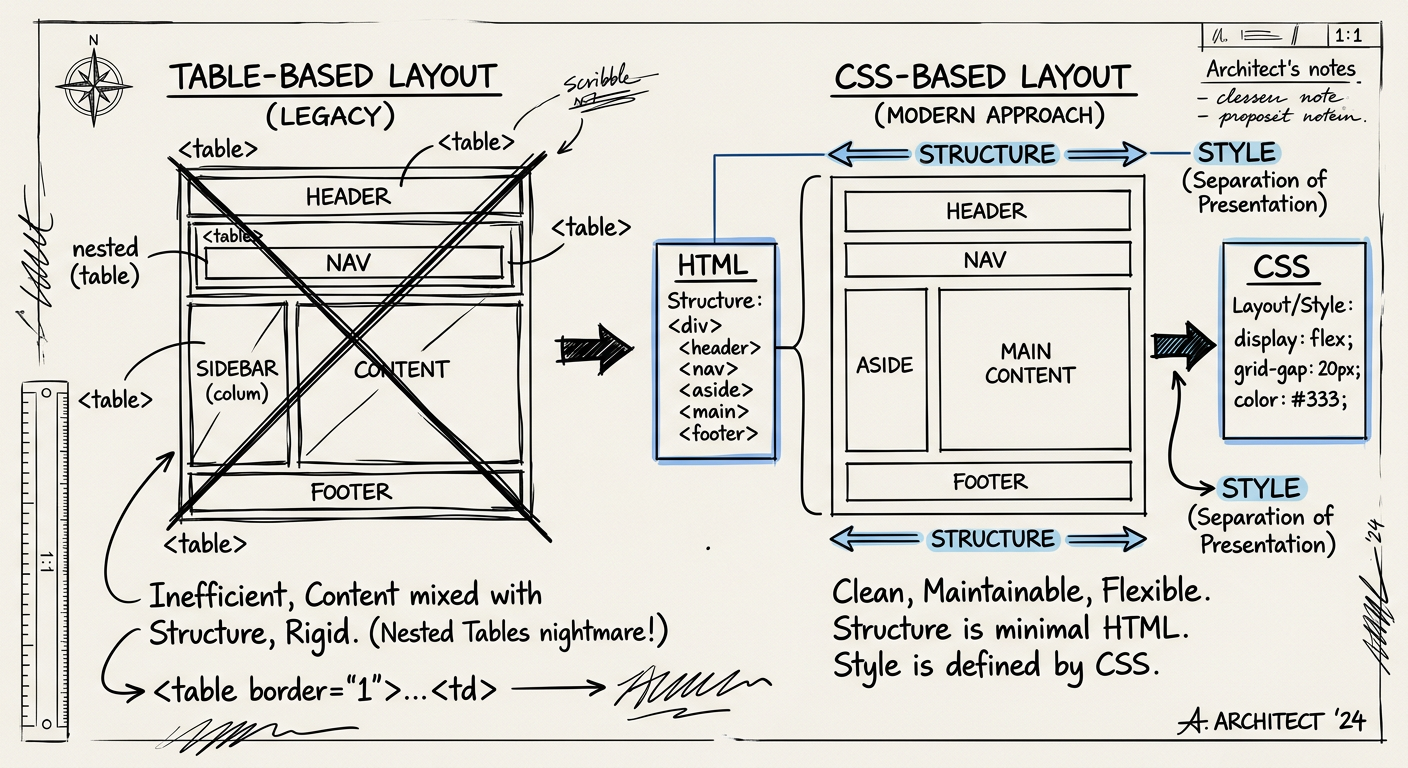
Then CSS2 happened. And with it, everything changed.
Suddenly, we could separate content from presentation. Float-based layouts replaced table hacks. We got rounded corners (after years of using corner images). We got transparency. We got @font-face.
But more importantly, the web stopped being a digital brochure and started becoming an application platform. Gmail launched. Google Maps launched. Facebook opened to the public. The web became interactive, dynamic, and personal.
This was when I first heard the term "User Experience." Before this, we'd talk about "usability" or "information architecture" — academic terms that felt distant. But UX? UX felt human. It was about feelings, not features. About journeys, not pages.
I remember my first usability test. I'd designed what I thought was a perfect e-commerce flow — clean, logical, efficient. Then I watched a real person try to use it. They couldn't find the checkout button. They didn't understand our category labels. They got lost on step 3.
That day changed my career. I realized: I don't design for screens. I design for people who are confused, distracted, and in a hurry.
The mobile earthquake
Then Steve Jobs walked on stage with the iPhone. And nothing was ever the same.
The first few years of mobile were chaos. We'd build two separate websites — one for desktop, one for mobile (remember m.example.com?). The mobile version was always an afterthought. Stripped down. Basic. Second-class.
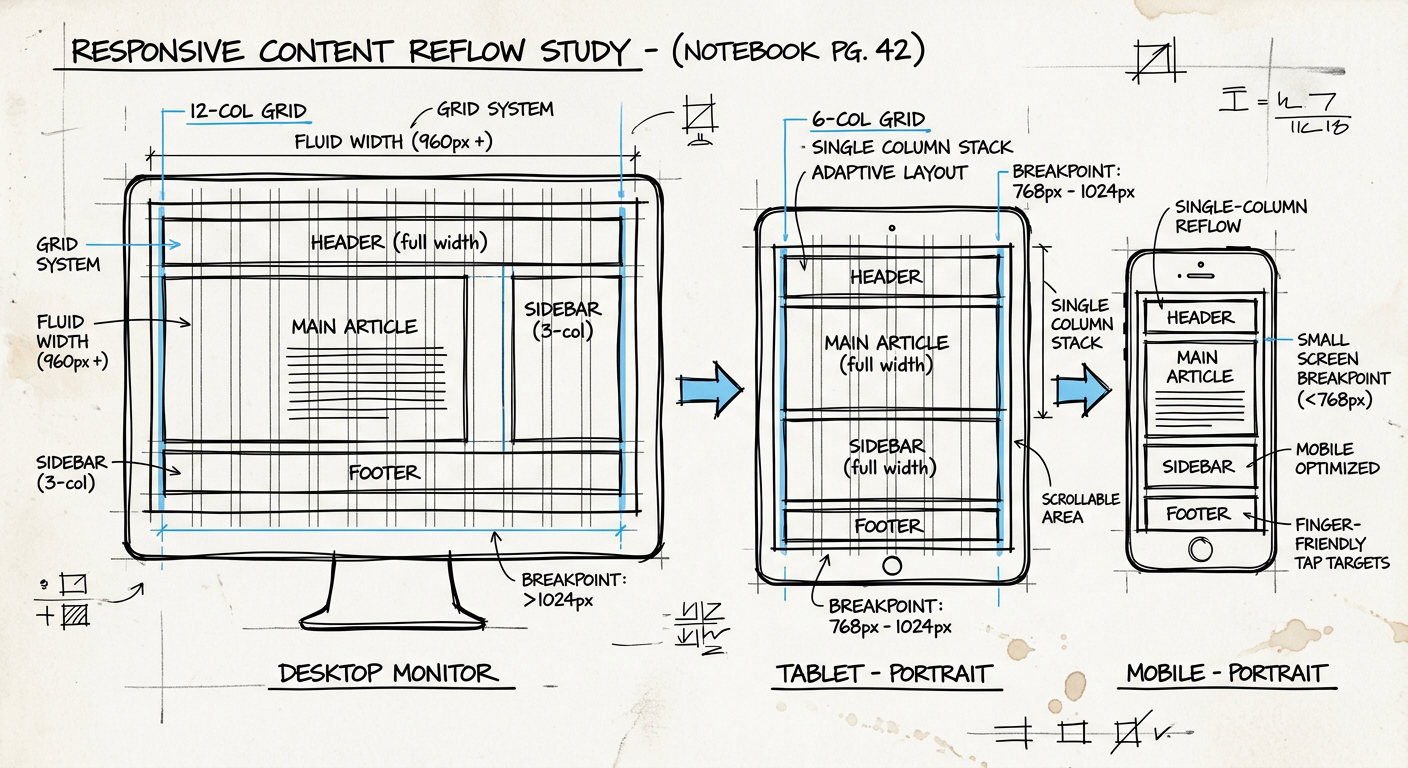
Then Ethan Marcotte wrote an article called "Responsive Web Design," and it was like someone turned on the lights.
One codebase. Every screen size. Fluid grids. Flexible images. Media queries.
I spent months learning responsive design. Not just the technical part — that was relatively straightforward. The hard part was thinking responsively. How does this 5-column layout work on a phone? What happens to this mega-menu on a tablet? Which content should we prioritize on small screens?
This was also when I joined Priceza, Thailand's largest price comparison platform. Suddenly I wasn't designing for thousands of users — I was designing for 140 million annual visits across five countries. A 1% improvement in conversion could mean millions of baht.
At that scale, "I think this looks better" stops being an acceptable argument. You need data. You need A/B tests. You need to understand analytics. This was where I learned that great UX isn't about what designers like. It's about what users actually do.
We ran experiments constantly. Does a bigger "Compare" button increase clicks? (Yes.) Does showing the price difference as a percentage or absolute number drive more engagement? (Percentage.) Does adding a product image to the comparison table reduce bounce rate? (Dramatically.)
Every decision was measurable. Every assumption was testable. It was the most rigorous design education I could have asked for.
Web 3.0: Social, content, and the attention economy
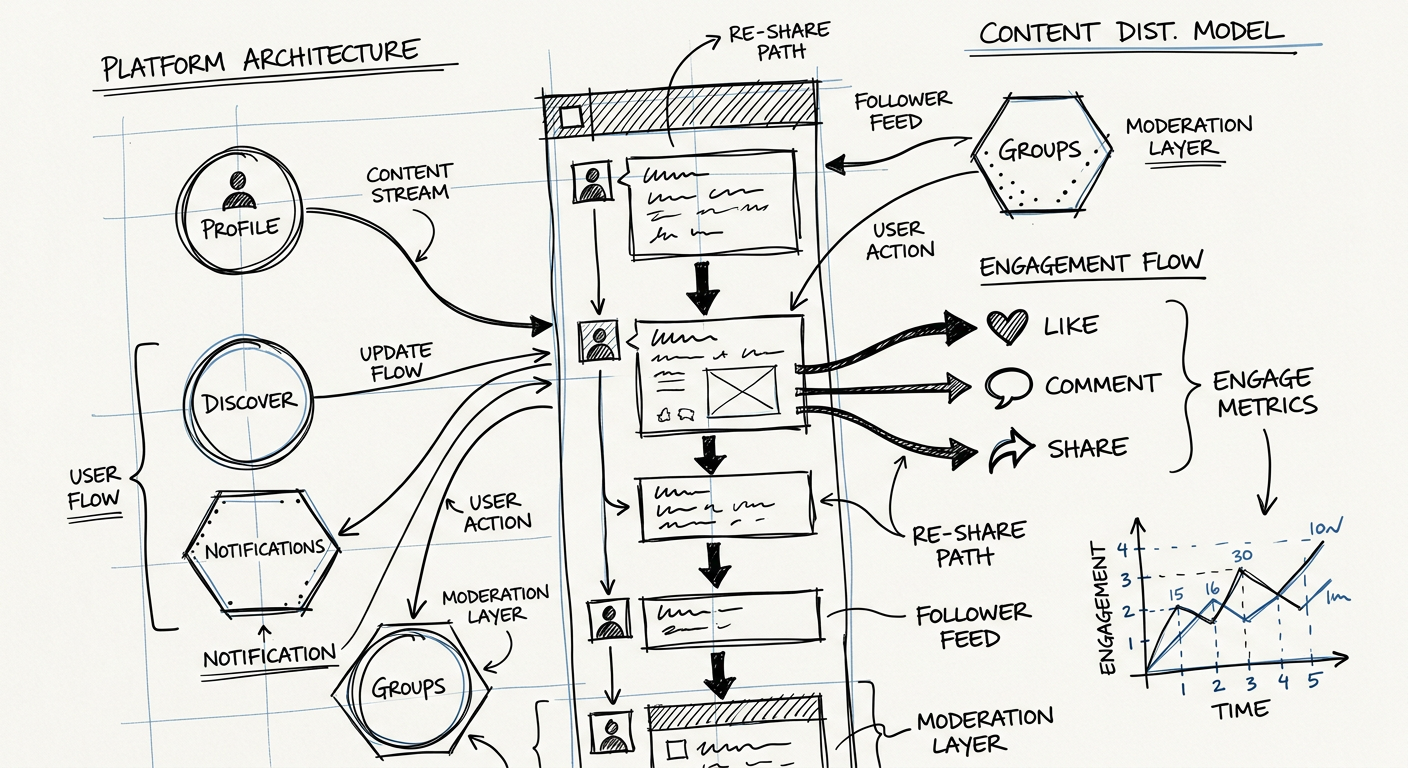
By the mid-2010s, the web had transformed again. It was no longer about websites — it was about platforms and ecosystems.
Social media became the front door to the internet. People didn't type URLs anymore. They scrolled feeds. Content became currency. Every business needed a "content strategy." Every brand needed a "social presence."
For designers, this meant a fundamental shift. We weren't just designing interfaces anymore. We were designing for engagement, for sharing, for virality. The question changed from "Can users complete this task?" to "Will users come back tomorrow?"
I saw this play out at Priceza, where we had to think about how our content appeared on LINE, Facebook, and Twitter. An Open Graph image could make or break a shared link. A meta description could determine whether someone clicked or scrolled past.
Then I moved to insurance — first Southeast Insurance, then MSIG Thailand. And here's where things got really interesting.
Insurance is the opposite of social media. Nobody wants to buy insurance. Nobody shares their policy on Instagram. The product is complex, the language is jargon-heavy, and the trust barrier is enormous.
But that's exactly what made it the best design challenge of my career. How do you take something nobody wants to think about and make it feel simple, safe, and even... pleasant?
We redesigned MSIG's entire digital insurance platform. We introduced OCR technology so users didn't have to type their ID numbers manually. We built a self-service claims system so people could track their claim status at 3 AM without calling a hotline. We simplified policy comparison from a 15-field matrix to a 3-question wizard.
The lesson from this era: UX isn't about making things pretty or viral. Sometimes UX is about making something so seamless that people forget they're doing something complicated.
2025 and beyond: The AI era
And now we're here. The biggest shift since mobile. Maybe bigger.
I've been watching AI evolve from a designer's perspective, and I can tell you — this isn't like previous technological shifts. This isn't "add a new breakpoint" or "optimize for a new platform." This is a fundamental change in how we design, what we design, and who we design for.
Here's what I mean:
How we design has changed
My daily workflow looks nothing like it did two years ago. I use Claude as a thinking partner — not to generate designs, but to challenge my assumptions. "What edge cases am I missing in this flow?" "What would a first-time user struggle with here?" "How would this work for someone who's visually impaired?"
I use AI for research synthesis. At MSIG, we'd conduct customer interviews and spend days clustering insights. Now I can feed transcripts into an LLM and get structured themes in minutes. I still validate everything — AI doesn't replace judgment — but it eliminates the tedious parts.
I use Gemini for content generation and Imagen for quick concept visuals. Not as final outputs, but as conversation starters. "Here are 10 possible headlines for this landing page" is a better starting point than a blank text field.
What we design has changed
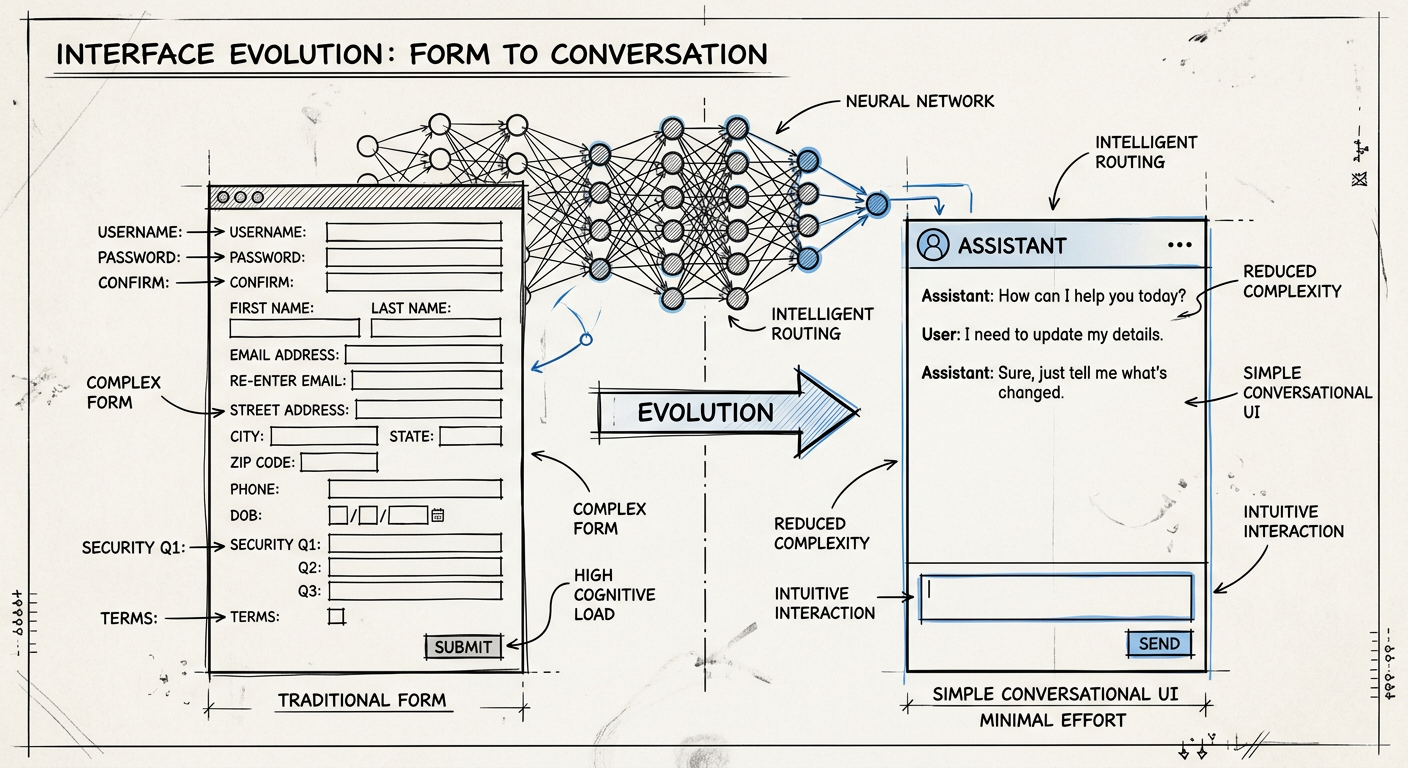
The interfaces themselves are evolving. We're no longer just designing static screens with buttons and forms. We're designing conversations, predictions, and adaptive experiences.
A traditional insurance quote form asks 20 questions in sequence. An AI-powered one might ask 3 questions, infer the rest from context, and present a personalized recommendation. The UX challenge isn't "how do we lay out these fields?" — it's "how do we make the user trust a recommendation they didn't explicitly ask for?"
This is a design problem no previous era prepared us for: designing trust in intelligent systems.
Who we design for has changed
AI doesn't just change the product. It changes the user's expectations. People who use ChatGPT daily now expect every interface to be conversational. People who use Midjourney expect visual generation to be instant. The bar has moved — not just for AI products, but for all products.
When a user can ask an AI assistant to "find me the cheapest travel insurance to Japan for next week" and get an instant answer, a traditional comparison website with filters and sorting feels... slow. Not broken. Just slow.
This is the challenge — and the opportunity — for every designer right now.
What 15 years taught me
Looking back, every era had its own version of the same panic: "This new thing will make designers obsolete."
CSS will replace designers. (It didn't.) Templates will replace designers. (They didn't.) No-code tools will replace designers. (They didn't.) AI will replace designers. (It won't.)
But here's what each era did replace: designers who refused to adapt.
The table-layout designers who wouldn't learn CSS? They faded out. The desktop-only designers who dismissed responsive? They got left behind. The designers who ignored data and insisted on gut feelings? They lost influence.
The pattern is always the same: the technology changes, the tools change, but the core skill remains — understanding people and reducing the gap between what they want and what they experience.
That's what I've been doing for 15 years. The medium keeps changing. The mission never does.
What comes next
I don't know exactly what the next era looks like. Nobody does. But I know what I'll be doing in it: watching real people struggle with things that should be simple, and figuring out how to fix it.
Whether that's with table layouts, responsive grids, social platforms, or AI agents — the work is the same.
Make the complex feel simple. Make the invisible feel intentional. Make technology disappear so people can focus on what actually matters.
That's the job. It's always been the job.
And after 15 years, I'm just getting started.